Subscribe to out newsletter today to receive latest news administrate cost effective for tactical data.
2478 Street City Ohio 90255
Please feel welcome to contact our friendly reception staff with any general or medical enquiry call us.
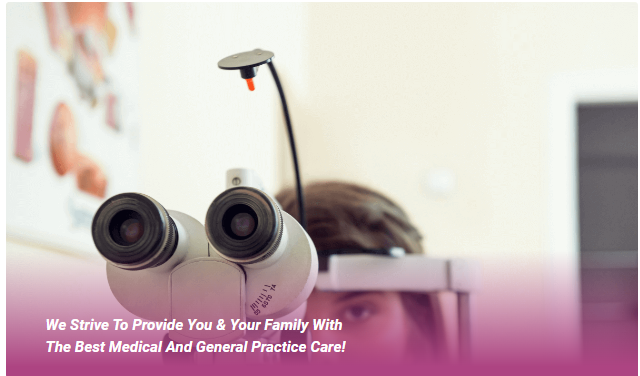
Ophthalmology at Global Hospital, Pune diagnoses and treats diseases of the eye and orbit, offering both medical and surgical treatment under Dr. Vijay Desai, MBBS (Ophthalmology). The department covers cataract surgery, glaucoma management, and retina and diabetic retinopathy screening under one specialist team.
Ophthalmology is the branch of medicine focused on the anatomy, physiology, and diseases of the eyeball and orbit. Because untreated eye conditions can progress to permanent vision loss, the department combines diagnostic screening with both medical and surgical treatment, so patients don’t need to be referred elsewhere once a condition is identified.
Specialist in:
Daily Availability: Mon, Fri, Sat
12:30 PM to 2:30 PM
Many eye conditions progress silently before symptoms appear — routine screening is what catches them early. Book a consultation with Dr. Vijay Desai today.
Q: What symptoms should prompt an eye specialist visit?
A: Blurred vision, eye pain, sudden vision changes, halos around lights, or difficulty seeing at night all warrant an ophthalmologist visit rather than waiting to see if symptoms pass. Some eye conditions, like glaucoma, cause damage silently before symptoms become noticeable, which is why routine screening matters even without symptoms.
Q: How often should diabetic patients get their eyes screened?
A: Diabetic patients should have a retinal screening at least once a year, since diabetic retinopathy can progress without noticeable symptoms until it’s advanced. Early detection through routine screening is what prevents diabetes-related vision loss.
Q: Is glaucoma curable?
A: Glaucoma isn’t curable, but it is manageable — with consistent treatment and monitoring, most patients retain useful vision for life. Because glaucoma damage is irreversible once it occurs, the goal of treatment is preventing further vision loss rather than restoring lost vision.
Q: What is the difference between a routine eye check-up and a full ophthalmology exam?
A: A routine eye check-up (like at an optical store) usually just measures vision correction needs, while a full ophthalmology exam screens for underlying disease — glaucoma, cataracts, retinal damage — using specialized equipment. Anyone over 40, or with diabetes or a family history of eye disease, benefits from periodic full exams rather than vision checks alone.